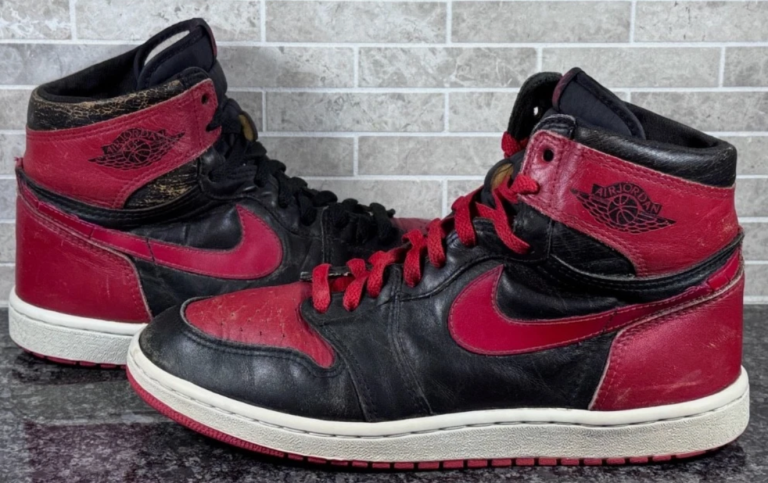

Nike is the flagship brand within NIKE, Inc., built around a simple mission: “To bring inspiration and innovation to every athlete in the world,”* with the famous asterisk definition that “if you have a body, you are an athlete.” The brand is best known for the Swoosh trademark and a product ecosystem that spans performance footwear, apparel, equipment, accessories, and related services, alongside sport-inspired lifestyle product lines that extend Nike well beyond the track and training floor.
Nike’s modern identity traces back to 1964, when University of Oregon track coach Bill Bowerman and former athlete Phil Knight co-founded Blue Ribbon Sports, initially importing and selling Japanese-made running shoes as a distribution business. As the company pushed toward making its own products, it split from its early distribution relationships and, in 1971, adopted the name Nike (after the Greek goddess of victory) and introduced the Swoosh logo created by designer Carolyn Davidson, a mark that quickly became one of the most recognizable symbols in global sport and style. Early on, Nike’s reputation was shaped by a very specific obsession: turning athlete insight into a tangible performance advantage. Bowerman’s experimentation with traction, including the now-mythic waffle sole concept, helped cement a product philosophy that still defines Nike today: relentless iteration in pursuit of speed, comfort, and efficiency.
That athlete-first design mentality evolved into a full innovation platform. Nike highlights its work across product design and testing through resources like the Nike Sport Research Lab, and it emphasizes proprietary technologies, most famously Nike Air, as differentiators that show up across running, basketball, training, and sport lifestyle models. Over time, Nike’s “innovation” story became as much about systems as it is about single breakthroughs: performance foams, tuned cushioning, advanced uppers, sport-specific geometries, and data-informed product creation often designed to translate elite-level performance needs into consumer products at scale.
Nike is also a marketing and storytelling machine, with a long history of using athlete partnerships and cultural narratives to turn products into symbols. The “Just Do It” line launched in 1988 is the clearest example: it’s not merely a slogan, but a durable brand philosophy that Nike still revisits and reinterprets across generations. The result is a brand that operates simultaneously in multiple lanes: serious performance for competitive athletes, accessible sport for everyday participants, and highly curated drops that feed sneaker culture’s demand for scarcity, design, and identity. In practice, Nike’s biggest wins often come when those lanes overlap, when a performance innovation becomes a lifestyle staple, or when a cultural moment pulls new consumers into sport.
Structurally, Nike’s brand universe includes major related labels, with Jordan Brand and Converse sitting within the broader NIKE, Inc. portfolio. Within NIKE, Inc.’s reporting, the “NIKE Brand” is the central engine (and includes results for Nike and Jordan across geographic segments), focused on performance athletic products plus sport-inspired lifestyle offerings under the Swoosh and other Nike trademarks. Jordan Brand, in particular, is described as focusing on athletic and casual footwear, apparel, and accessories using the Jumpman mark, and it has become one of the most important sub-brand ecosystems in modern sneakers, bridging basketball heritage, streetwear, and collector culture.
From a go-to-market standpoint, Nike is a hybrid of wholesale scale and direct-to-consumer control. The company sells through a broad range of wholesale partners (sporting goods, athletic specialty, department, and sport-specific shops) while also investing heavily in NIKE Direct via digital platforms and Nike-owned retail formats. This dual approach matters for how Nike shows up in the real world: wholesale builds reach, while direct channels let Nike shape the brand experience, control storytelling, and showcase premium assortments and limited releases.
Finally, Nike frames its future around the same core idea that powered its origin story, sport as a vehicle for human potential, while pairing that with modern commitments around more sustainable innovation and a more responsible supply chain. In its mission and corporate materials, NIKE, Inc. explicitly links product “moonshots,” sustainability efforts, and supply chain responsibility back to serving athletes and the next generation of sport. In other words, Nike’s long-run brand proposition is not just “making shoes,” but building a sport-led platform where performance, culture, and innovation reinforce one another and where the Swoosh acts as shorthand for aspiration, competition, and self-expression across the world.